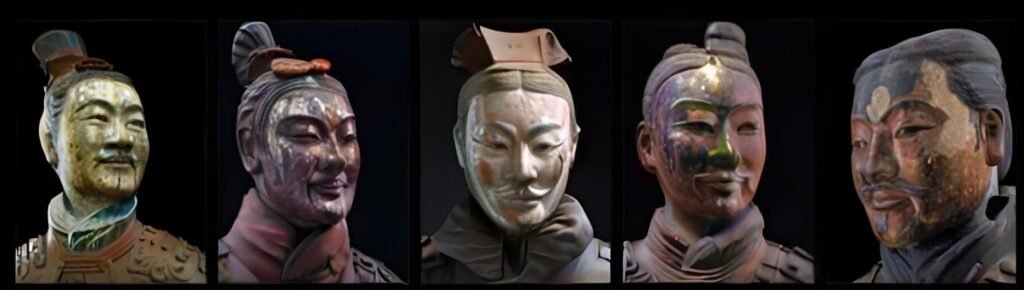
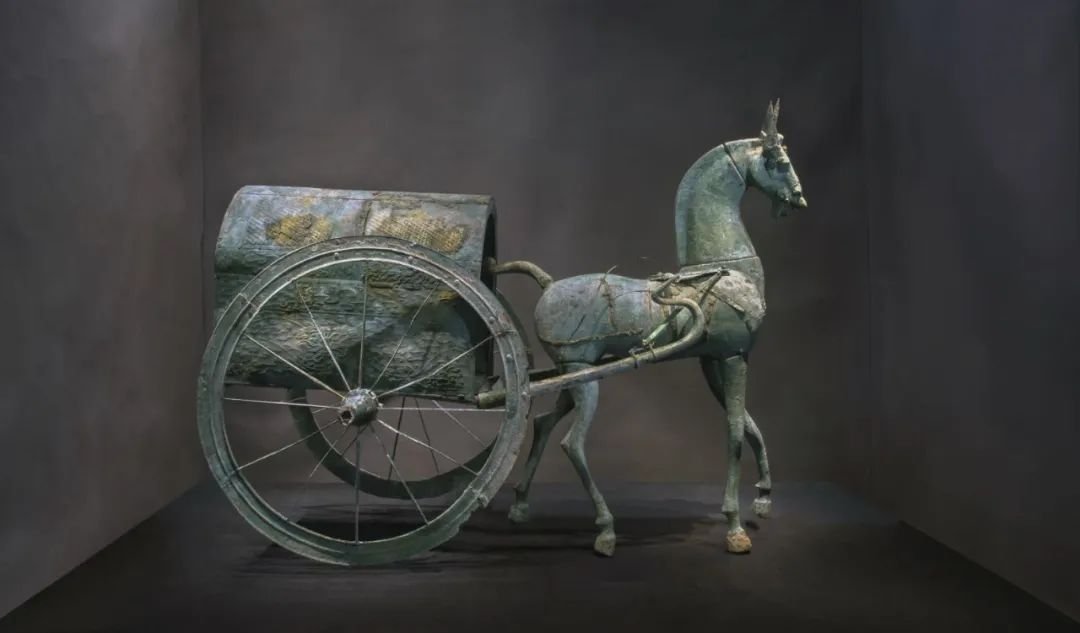

The Han Dynasty (206 BC – AD 220) was a pivotal era in Chinese history, noted for cultural, technological advancements, and territorial expansion, bridging the Qin Dynasty and Three Kingdoms. Its legacy endures in cultural artifacts, infrastructure, and administrative systems.
Introduction
The Han Dynasty (206 BC – AD 220) was a significant period in Chinese history, known for its advancements in culture, technology, and territorial expansion. It followed the Qin Dynasty (221-206 BC) and preceded the Three Kingdoms period (220-280). The legacy of the Han Dynasty is evident in various cultural artifacts, infrastructure, and administrative systems that have been preserved and studied over the centuries.
Great Wall Construction
The Han Dynasty inherited the governance system of the Qin Dynasty. Emperor Gaozu of the Han Dynasty focused on reinforcing existing structures and fortifications of the Qin to stabilize and secure the empire. One of the most notable construction projects during this time was the expansion of the Great Wall under Emperor Wudi. This extension was aimed at protecting the empire from the Xiongnu nomads in the north.
Funerary Practices and Jade Burial Suits
Jade burial suits were a distinctive feature of Han funerary customs. These suits encased the deceased emperors and aristocrats as a symbol of immortality. A particularly well-preserved jade suit, discovered in a tomb in Shangqiu, Henan province, is now housed in the Henan Museum. This suit comprises 2,008 jade plaques connected by gold wire and includes additional jade pieces such as a jade pig, a jade cicada, and jade plugs for the ears and nose, believed to offer protection and aid in the afterlife journey.
Lacquer Ware and Cultural Exchange
The Han Dynasty was also famous for its lacquer ware. An exhibition at the Yangzhou Museum showcased 130 pieces of Han Dynasty lacquer ware, including 38 items from the Jingzhou Museum. Jingzhou, located in Hubei province, was a historical center for lacquer production, and its influence extended into the Han Dynasty. Technical cooperation between Yangzhou and Jingzhou has yielded significant advancements in the restoration of these ancient artifacts, some of which include intricate designs coated with gold and silver foil.
Bamboo Slips and Historical Records
Gansu province is renowned for its reserves of bamboo slips, with the Hexi Corridor being a focal point for Han Dynasty bamboo slips. Over 70,000 bamboo slips from various periods have been discovered in Gansu, with over 40,000 pieces related specifically to the Han Dynasty. The bamboo slips offer valuable insights into the administrative and political systems of the period. Notably, Juyan bamboo slips, considered one of China’s “Four Discoveries” in archiving, are pivotal for understanding the administrative practices of the Han Dynasty.
Cultural Artifacts and Iconography
The Han Dynasty’s cultural artifacts extend beyond practical items to include mythical and religious iconography. A bronze unicorn sculpture from the Han Dynasty, found in Xiaheqing town, Jiuquan, Gansu province, exemplifies such artifacts. This sculpture, with a detachable horn and tail, was likely employed as a burial item to protect the deceased from malevolent spirits. It remains a vital piece in the Gansu Provincial Museum’s collection.
Notable Archeological Discoveries
Prominent archeological sites from the Han Dynasty era continue to offer new insights into this historical period. The large-scale mausoleum identified as Emperor Wen of the Western Han Dynasty in Xi’an, Shaanxi province, is a testament to the empire’s architectural prowess. Similarly, the Han Dynasty Yangling Mausoleum in Shaanxi province, covering a vast area with numerous burial pits and temples, reflects the dynasty’s grandeur and its impact on subsequent Chinese imperial culture.
Entertainment and Performance Arts
The Han Dynasty was known for its performance arts, including acrobatics and music, as evidenced by clay plates and pottery figurines from the period. These artifacts depict vibrant scenes of acrobatic stances and musical performances, encapsulating the era’s entertainment culture. The tradition of Baixi, a diverse range of performances including acrobatics and dance, was particularly popularized during the Han Dynasty, showcasing the dynasty’s embrace of both royal and folk entertainment.