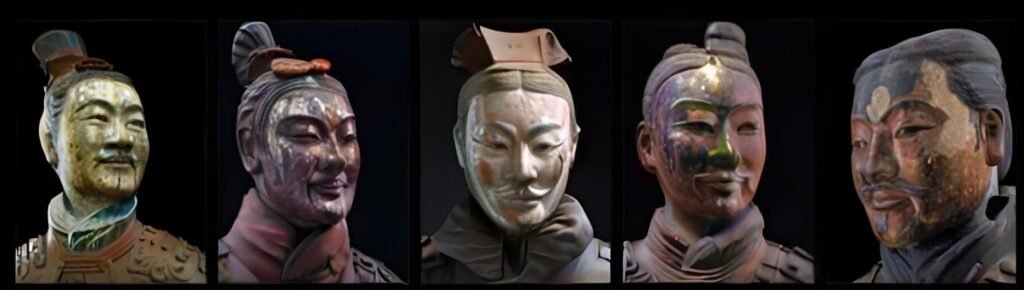
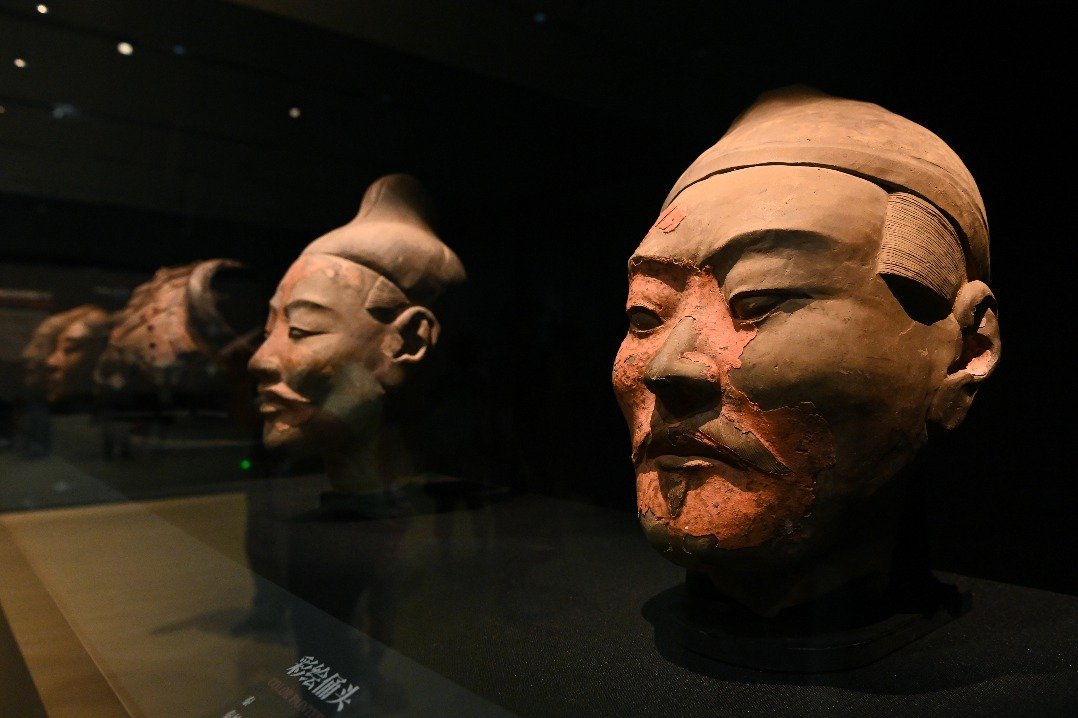

Emperor Qin Shi Huang, the first emperor of a unified China and founder of the Qin Dynasty, ascended the throne in 246 BC. His reign marked the transition to a centralized empire, famous for projects like the Great Wall and his mausoleum with the Terracotta Army.
Introduction
Emperor Qin Shi Huang was the founder of the Qin Dynasty (221-206 BC) and the first emperor of a unified China. He ascended to the throne in 246 BC and was a pivotal figure in Chinese history. His reign marked the transition from the Warring States Period (475-221 BC) to a centralized empire. Emperor Qin Shi Huang is renowned for his ambitious projects, most notably the construction of the Great Wall of China and his elaborate mausoleum, which includes the famous Terracotta Army. These achievements reflect his desire for immortality and the protection of his empire even in the afterlife. His unification of China laid the foundations for the future stability and expansion of the Chinese empire.
Early Life
Emperor Qin Shi Huang, born as Ying Zheng in 259 BC, was the son of King Zhuangxiang of Qin. His early years were spent in the state of Zhao, as his father was held hostage there before ascending to the throne of Qin. After the death of his father, Ying Zheng became king at the age of 13, with his mother and the chancellor, Lyu Buwei, acting as regents. His early life was marked by the political turbulence of the Warring States period, which shaped his ambitions for unification. As he grew older, he assumed full control of the kingdom, displaying a strong will and strategic acumen that would later define his rule.
Ascension to the Throne
Ying Zheng ascended to the throne of Qin in 246 BC after the death of his father, King Zhuangxiang. Though initially under the regency of his mother and Lyu Buwei, he soon asserted his authority, eliminating potential threats to his rule. By 221 BC, through a series of military conquests and diplomatic maneuvers, he succeeded in unifying the warring states, declaring himself the First Emperor, Qin Shi Huangdi. This marked the beginning of Imperial China, and under his centralized administration, Qin Shi Huangdi implemented significant legal and economic reforms that standardized weights and measures, currency, and even the written script across the empire. His ascension was a pivotal moment that consolidated the fragmented states into a single, powerful entity.
Construction Projects
Emperor Qin Shi Huang is best known for his monumental construction projects, which were both ambitious and unprecedented in scale. These projects were not only meant to fortify his empire but also to secure his legacy. Among these, the Great Wall of China and his mausoleum, featuring the Terracotta Army, stand out as monumental achievements of his reign.
Great Wall
The Great Wall of China, as it is known today, owes much of its origin to the efforts of Emperor Qin Shi Huang. During his reign, sections of fortifications built by various states during the Warring States period were connected and expanded to form a continuous defensive barrier. This monumental construction project, stretching from Lintao in the west to Liaodong in the east, spanned over 5,000 kilometers, earning it the name “Great Wall of 10,000 Li.” The wall served as a formidable military fortification designed to protect the nascent Qin Empire from northern nomadic invasions. It was a testament to the emperor’s strategic foresight and commitment to safeguarding his empire’s borders.
Mausoleum and Terracotta Army
Emperor Qin Shi Huang’s Mausoleum, located in Lintong, Xi’an, Shaanxi province, is one of the most famous archaeological sites in the world. Constructed over 38 years by approximately 700,000 workers, it reflects the emperor’s grand vision of his afterlife. The most remarkable feature of this site is the Terracotta Army, consisting of over 8,000 life-sized soldiers, chariots, and horses. Each figure is unique, showcasing intricate details in attire and facial expressions, demonstrating the sophisticated artistry of the Qin artisans. These figures were intended to protect the emperor in the afterlife, symbolizing his enduring power and the strength of his empire. The mausoleum and its Terracotta Army remain a testament to Emperor Qin Shi Huang’s ambition and the cultural achievements of his reign.
Legacy and Impact
Emperor Qin Shi Huang’s legacy is profound and multifaceted, impacting Chinese history and culture far beyond his lifetime. His unification of China laid the groundwork for the subsequent Han Dynasty and established a centralized bureaucratic state that became a model for future dynasties. His standardization policies in writing, currency, and measurement further unified the diverse regions of China, facilitating trade and communication. Despite his achievements, Qin Shi Huang’s reign was also marked by autocratic rule and harsh measures, such as the burning of books and burying of scholars, to maintain control and suppress dissent. Nevertheless, his vision of a unified China endured, influencing the nation’s development for centuries.
Historical Interpretations
Historians have debated Qin Shi Huang’s role as a ruler, often portraying him as a tyrant due to his oppressive policies and harsh rule. His centralization efforts and legalist approach were crucial in unifying China but were also characterized by extensive use of forced labor and brutal punishments. Despite these criticisms, modern interpretations acknowledge his significant contributions to Chinese statecraft and infrastructure. The archaeological discoveries of his mausoleum and the Terracotta Army have prompted renewed interest in his reign, highlighting both the grandeur and complexity of his achievements. As such, Qin Shi Huang remains a controversial yet pivotal figure in the narrative of China’s imperial history.
Cultural Depictions
Emperor Qin Shi Huang has been a popular figure in Chinese art and literature, often depicted in historical novels, films, and television dramas. His life and accomplishments have inspired numerous creative works, from grand historical epics to modern interpretations that explore his character and motivations. The Terracotta Army, in particular, has captured the imagination of people worldwide and has been featured in various exhibitions and cultural events. These depictions reflect the enduring fascination with Qin Shi Huang’s legacy, as well as the complexity of his rule, which continues to intrigue scholars and the public alike.